

Best accounting software for freelancers in 2026 — The Honest Guide for freelancers
Finding the best accounting software for freelancers isn't just about tracking invoices; it's about reclaiming your time and ensuring financial stability. As a freelancer, your focus should be on your clients and your craft, not wrestling with complicated spreadsheets or chasing late payments. This guide cuts through the noise to show you which tools actually deliver on their promises, based on 16 years of real-world testing in the trenches with businesses just like yours. Stop guessing and start managing your finances with confidence.
Why Finding the Right Accounting Tools Matters
After more than a decade and a half of running my own agency and consulting for countless solopreneurs, I've seen a painful, recurring pattern: freelancers don't fail because they lack talent. They fail because they drown in administrative chaos. Choosing the wrong accounting tool—or worse, sticking with a messy spreadsheet—is like trying to navigate a ship with a broken compass. You waste dozens of hours each month on manual data entry, you miss out on thousands in tax deductions because expenses are poorly tracked, and you create a constant, low-level anxiety around your cash flow. When tax season hits, it's a frantic scramble that pulls you away from billable work for weeks.
The right accounting software flips that script entirely. It's not an expense; it's an investment in your own sanity and profitability. A good platform automates invoicing and payment reminders, giving you a professional edge and getting you paid faster. It provides a crystal-clear, real-time dashboard of your financial health, so you always know where you stand. Most importantly, it transforms tax time from a nightmare into a simple, streamlined process. The right tool works for you, freeing up your most valuable resource—your time—to focus on what you do best: delivering great work for your clients.
What to Look for in Accounting Tools
When you're evaluating options, it's easy to get lost in feature lists. Cut through the marketing fluff and focus on these five core criteria. They are the difference between a tool that helps and one that hinders.

Pricing: Don't just look at the monthly fee. Scrutinize the pricing tiers. Are essential features like bank connections or tax reports locked behind a more expensive plan? Look for transparent pricing without a low introductory rate that skyrockets after a year. The goal is value, not just the cheapest option.
Ease of Use: You're a freelancer, not a certified public accountant. The software should be intuitive from the moment you log in. If you need to read a 100-page manual to send an invoice or categorize an expense, it's the wrong tool. A clean interface and a minimal learning curve are non-negotiable.
Integrations: Your accounting software shouldn't be an island. It needs to connect seamlessly with your bank accounts to automatically import transactions. It also needs to play well with the payment gateways you use, like Stripe and PayPal, to make reconciliation effortless. The more it automates, the more time you save.
Support: When you have a question about your money, you need an answer fast. Test the support before you commit. Do they have a responsive chat service, a comprehensive knowledge base, or are you stuck waiting days for an email reply? Good support is a lifeline when you're in a bind.
Scalability: The tool you choose today should be able to support you tomorrow. Consider your growth trajectory. Will you be hiring subcontractors, dealing with multiple currencies, or needing more advanced project profitability reporting in the future? Choose a platform that can grow with your freelance business, not one you'll outgrow in six months.
How We Selected These Tools
I'm Chris Gulli, and my recommendations are built on a simple principle: I only endorse tools I've personally used and vetted. Here at Chris Gulli's Tools | Honest Software Reviews for Solopreneurs, we've reviewed over 300+ tools across 34 different categories to help one-person businesses find what works. There are no sponsored placements or paid-for rankings in our guides. My selections are based on thousands of hours of hands-on testing, focused entirely on the real-world challenges and use cases that matter to freelancers. We maintain transparency about our affiliate relationships, but our opinions are never for sale.
The Best accounting software for freelancers — Our Top Picks
After extensive testing, these are the five accounting tools that consistently come out on top for freelancers. Each has its own strengths, but all are excellent choices depending on your specific needs.
FreshBooks
FreshBooks is our top pick for client-centric freelancers who need more than just accounting. It excels at making your client interactions seamless and professional. Who it's best for: Designers, consultants, writers, and any freelancer who manages projects and tracks time. Standout features include incredibly polished and customizable invoices, robust time-tracking tools that can be added directly to invoices, and the ability to create professional proposals that clients can accept online. Pricing starts around $17/month for the Lite plan, which is perfect for those with a handful of clients.

QuickBooks Self-Employed
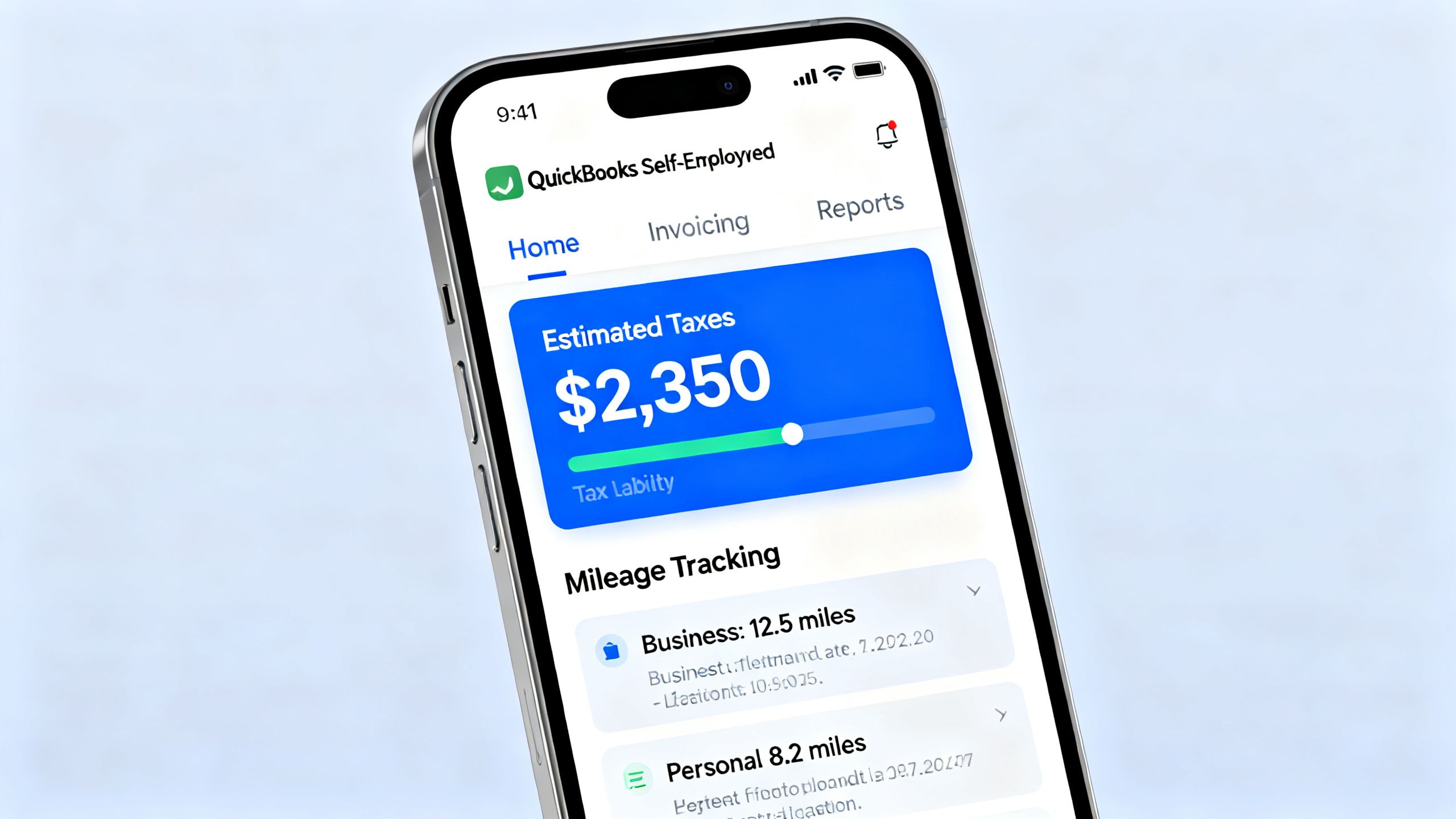
If your primary concern is simplifying taxes, QuickBooks Self-Employed is purpose-built for you. It's less of a full-fledged accounting system and more of a specialized tax tool. Who it's best for: Rideshare drivers, freelance delivery workers, and any solopreneur who wants to maximize deductions with minimal effort. Its standout features are automatic mileage tracking via its mobile app, the ability to easily swipe to separate business and personal expenses, and a unique feature that estimates your quarterly tax payments. Pricing is competitive, often starting around $15/month.
Wave
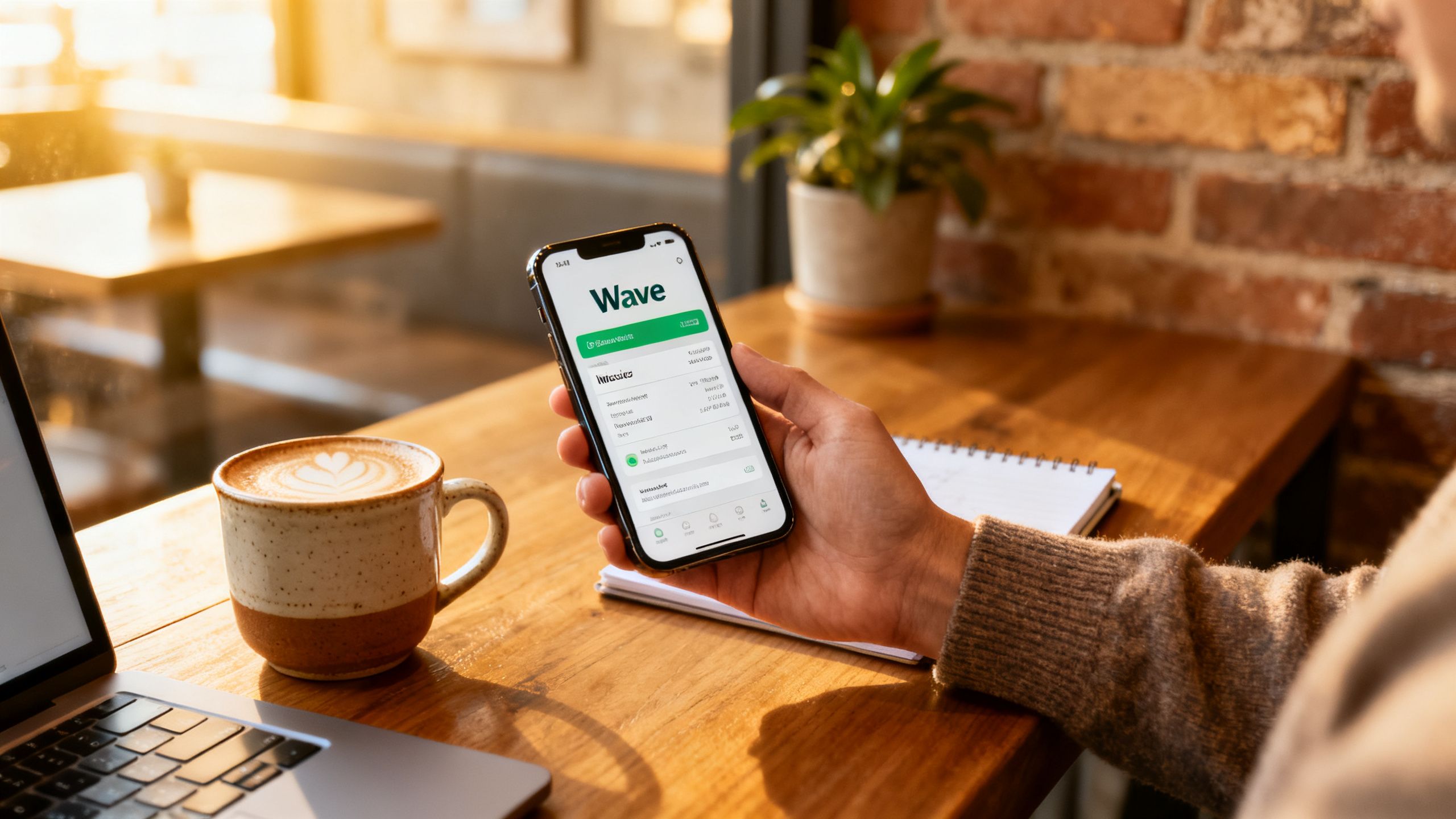
For freelancers just starting out or those with very simple needs, Wave is impossible to beat because it's genuinely free. It offers unlimited invoicing, expense tracking, and accounting without a monthly subscription. Who it's best for: New freelancers, side-hustlers, and anyone on a tight budget. The standout features are its core free offering, professional-looking invoices, and the ability to manage multiple businesses under one account. Wave makes money through its payment processing (a standard 2.9% + $0.60 per transaction) and optional payroll services, so the core accounting remains free.
Xero
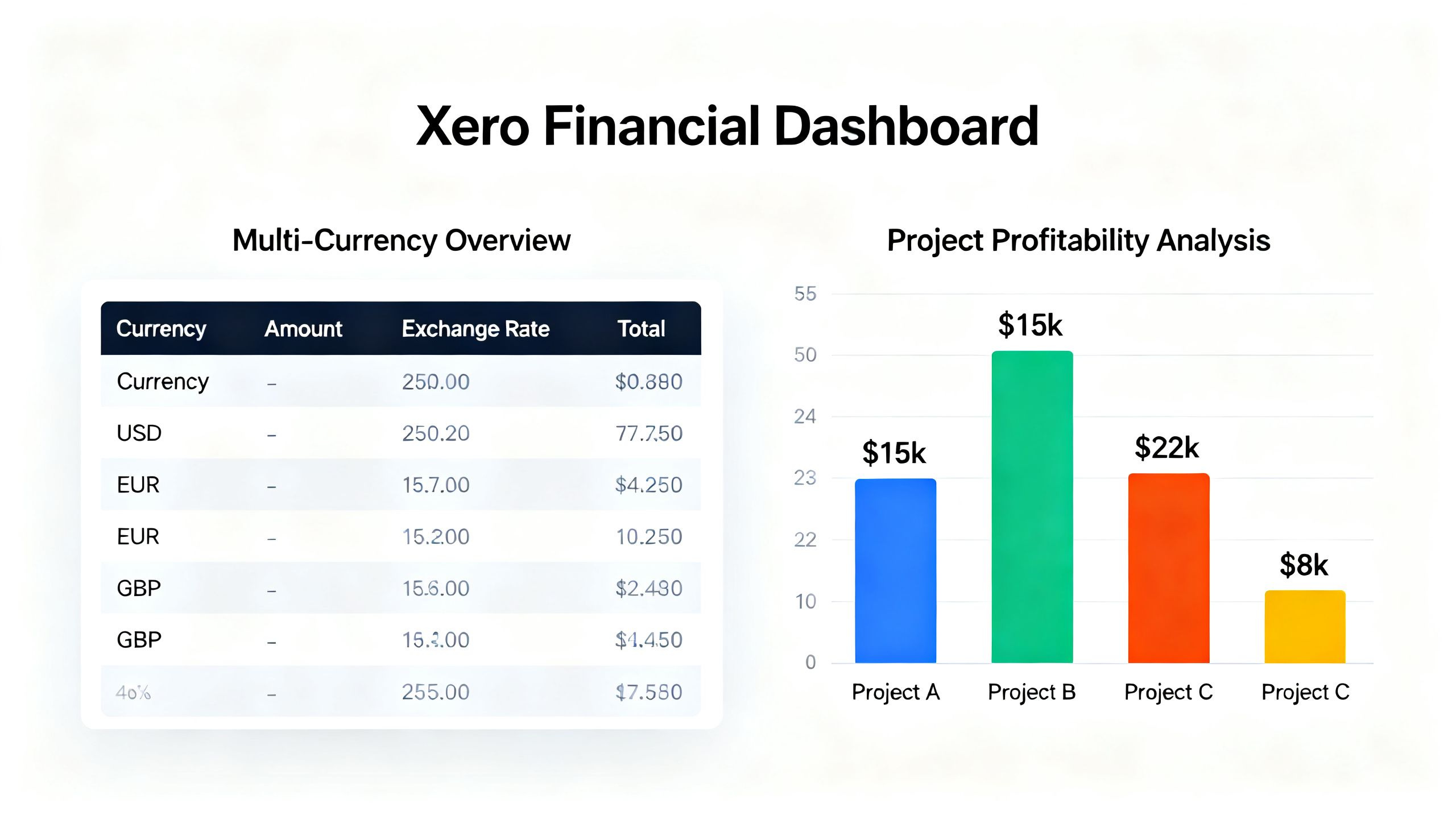
For the ambitious freelancer with plans to scale into a small agency, Xero offers the power and flexibility to grow. It's a more robust accounting platform that can handle greater complexity than the others on this list. Who it's best for: Freelancers who are hiring subcontractors, dealing with international clients, or managing inventory. Standout features include excellent multi-currency support, detailed project profitability tracking, and a vast ecosystem of third-party app integrations. Its pricing starts at a very reasonable $13/month for the Early plan.
Lili
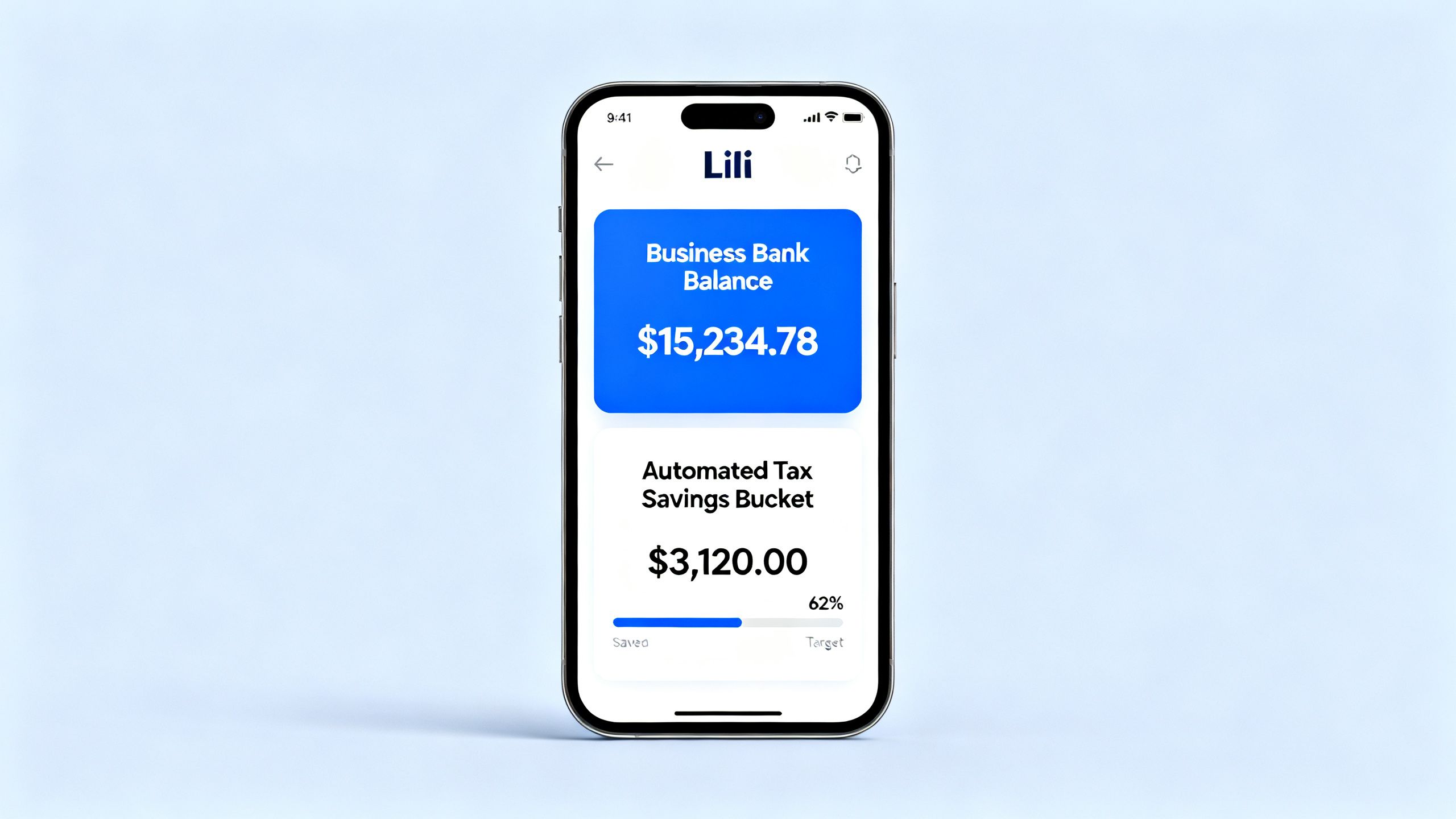
Lili is a modern, all-in-one solution that combines a business bank account with accounting and tax-saving tools. It's designed to be the financial hub for your freelance business. Who it's best for: Freelancers who want to simplify their tech stack and manage banking and accounting in one place. Its standout features are a fee-free business checking account, a 'Tax Bucket' that automatically sets aside a percentage of your income for taxes, and auto-generated expense reports. The core banking is free, while the Pro plan with advanced accounting features is around $9/month.
Which Accounting Tools Should You Choose?
With great options available, the choice can feel overwhelming. Here’s my direct, opinionated advice based on who you are and what you need. Don't just read more buying guides; make a decision.
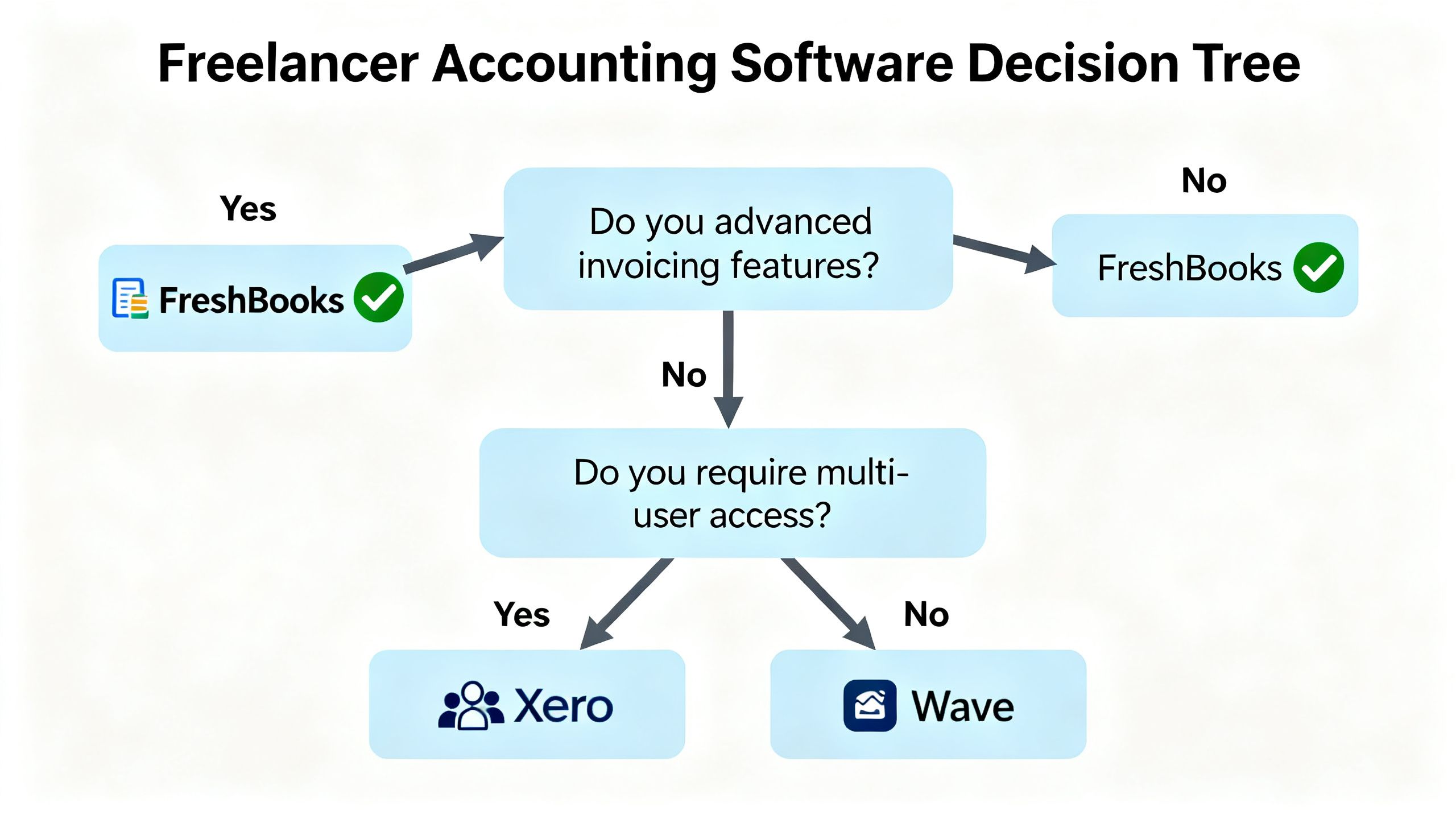
For the majority of client-based solopreneurs and freelancers, FreshBooks is the best choice. It strikes the perfect balance between powerful, professional invoicing/proposal features and an easy-to-use accounting backend. It's designed around the workflow of a freelancer who bills for their time and projects, making it the most intuitive day-to-day tool for running your business.
If you are on a strict budget or just starting your freelance journey, go with Wave. You simply cannot argue with its price point: free. It provides all the essential tools you need to look professional and keep your books in order without costing you a dime. You can always migrate to a more powerful paid tool later as your business grows and your needs become more complex.
For freelancers who are on the path to becoming a small business—planning to hire, managing significant inventory, or dealing with complex international payments—Xero is the clear winner. It offers a level of depth and scalability that FreshBooks and Wave can't match, ensuring you have a platform that will support your growth for years to come.
Accounting Tools Comparison Table
Frequently Asked Questions About best accounting software for freelancers
How much should I expect to pay for freelance accounting software?
You can expect to pay anywhere from $0 to about $35 per month. Tools like Wave offer fantastic core features for free, making them a great starting point. Most premium, feature-rich platforms like FreshBooks or QuickBooks land in the $15-$30/month range. Remember, this software is a business expense and is 100% tax-deductible, making the effective cost even lower.
Is it difficult to switch from spreadsheets to accounting software?

While there's a small learning curve, it's far less painful than you think. Modern accounting tools are designed for business owners, not accountants. The biggest hurdle is the initial setup, but once you connect your bank account, the software automates 90% of the data entry. The time you save and the accuracy you gain are well worth the one-time effort of making the switch.
Do these tools integrate with payment processors like Stripe or PayPal?
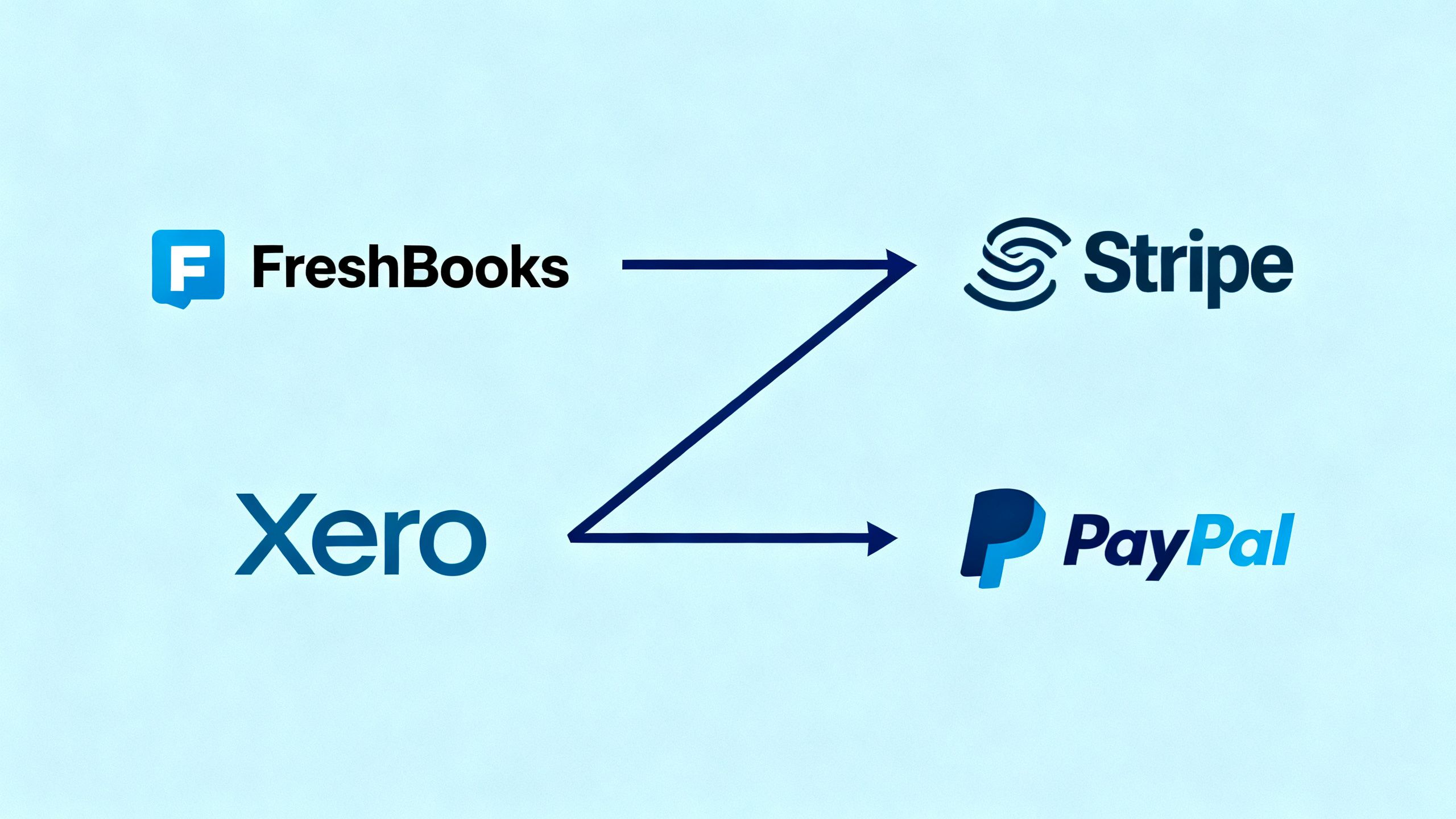
Yes, and this is one of their most powerful features. All the top contenders offer direct integrations with major payment gateways. This means when a client pays an invoice via Stripe, the payment, along with the Stripe processing fee, is automatically recorded and categorized in your accounting software. This automation eliminates a huge amount of manual reconciliation work and is a key reason to upgrade from spreadsheets.
Can this software help me with my taxes?
Absolutely. This is a primary benefit. The software helps you meticulously track income and categorize all your business expenses throughout the year, ensuring you don't miss any deductions. Most can generate key financial reports like a Profit & Loss statement and even provide a Schedule C worksheet. Tools like QuickBooks Self-Employed go a step further by helping you estimate and plan for your quarterly tax payments, preventing any nasty surprises from the IRS.
Final Thoughts on best accounting software for freelancers
Ultimately, the best accounting software for freelancers is the one you'll actually use consistently. For most, FreshBooks offers the perfect blend of powerful invoicing and user-friendly design that fits a freelancer's workflow. To dive deeper, check out the full reviews and comparisons on the Chris Gulli's Tools blog. With 16 years of experience helping businesses like yours, I only recommend tools that I know will truly move the needle on your efficiency and profitability.
FreshBooks
FreshBooks was built from the ground up for one specific type of business owner: the freelancer, consultant or service-based solopreneur who needs to look professional, get paid faster and spend as little time as possible on admin. The result is the most intuitive invoicing experience in the accounting software market. Creating a professional invoice takes under two minutes. You can add your logo, set automatic payment reminders, charge late fees and offer clients a one-click payment portal — all without any accounting knowledge. Time tracking is built directly into the platform and connects seamlessly to projects and invoices, so billable hours convert to invoices with a single click. The client portal lets customers view estimates, invoices and project updates — creating a professional experience that builds trust. FreshBooks' most recent updates include Instant Payouts (get your money the same day a payment is made), Buy Now Pay Later through Affirm and smarter payment defaults that make it easier for clients to pay the way they prefer. The affiliate programme is one of the most generous in the SaaS space — up to $200 per paid subscriber with a 120-day cookie via ShareASale. For solopreneurs recommending tools to their audience, this is outstanding earning potential.
Pros
- Best invoicing experience in the market — professional, customisable and automated
- Built-in time tracking connects directly to projects and invoices
- Client portal for estimates, invoices and project communication
- Instant Payouts — get paid the same day a client pays
- Outstanding affiliate programme: up to $200/sale with 120-day cookie
Cons
- Per-client pricing on lower plans limits who you can invoice
- Limited financial reporting compared to QuickBooks or Xero
- Not suitable for product-based businesses with inventory needs
- No double-entry accounting on entry-level plans
- Affiliate programme manually reviews applications — approval not guaranteed
QuickBooks Online
QuickBooks Online is the undisputed market leader in small business accounting software, and for good reason. Used by millions of businesses worldwide, it covers everything from basic income and expense tracking to payroll integration, 1099 management, inventory and advanced financial reporting — all in one cloud-based platform. The AI-powered Report Insights and Anomaly Detection features analyse over a year of your financial data in real time, flagging unusual transactions and errors before they become problems. For solopreneurs, the Simple Start plan covers the essentials: invoicing, expense tracking, mileage tracking via GPS and cash flow forecasting. For businesses that are growing or have contractors to manage, the Essentials and Plus plans unlock bill management, multi-user access and project profitability tracking. QuickBooks also integrates with over 750 apps including PayPal, Shopify, Square, Stripe and Etsy — making it the most connected accounting platform on the market. The trade-off is cost. Prices start at $35/month and the platform has raised prices significantly over recent years. For solopreneurs with simple finances, tools like FreshBooks or Wave may deliver more value. But if you want the platform your accountant already knows, the most extensive integration ecosystem and software that will scale with your business for years, QuickBooks Online remains the gold standard.
Pros
- Most widely used accounting software in the world — your accountant already knows it
- 750+ app integrations including Shopify, PayPal, Stripe and Square
- AI-powered anomaly detection flags financial errors in real time
- GPS mileage tracking built into the mobile app
- Scales from solopreneur to growing team without switching platforms
Cons
- Prices have risen over 125% since 2017 — expensive for solopreneurs
- Can feel overwhelming for beginners due to feature depth
- Customer support has mixed reviews
- Most useful features require the higher-tier Essentials or Plus plans
- Per-user pricing adds up quickly for small teams
Wave Accounting
Wave occupies a unique and genuinely valuable position in the accounting software market: it's the only platform that offers truly free core accounting without a time limit, hidden fees or a stripped-back trial. For bootstrapped solopreneurs, early-stage freelancers and very small businesses with straightforward finances, Wave removes the biggest barrier to getting your books in order — cost. The free plan covers invoicing, expense tracking, basic reporting and management of multiple businesses from a single account. You can send unlimited customised invoices, connect unlimited bank accounts and credit cards, and track income and expenses without paying a penny. Recent updates have shifted some features to the paid Pro plan (~$16/month), most notably automated bank feed imports and digital receipt scanning — features that save significant time and are worth the upgrade for any business that can afford it. Wave Payroll is available as an add-on from $20/month plus per-employee fees, and payment processing fees apply when accepting card payments through Wave's built-in payment system. The honest truth about Wave is that it's the perfect starting point — not the perfect forever solution. For solopreneurs just getting their finances organised for the first time, or for side businesses that don't justify a $35+/month subscription, Wave is outstanding. But as your business grows and you need deeper reporting, stronger automation and better integrations, you'll likely outgrow it.
Pros
- Genuinely free core accounting — no trial period, no hidden fees
- Unlimited invoices, clients and bank account connections on free plan
- Manage multiple businesses from one account
- Clean, beginner-friendly interface with zero learning curve
- Wave Payroll available as an affordable add-on
Cons
- Automated bank feeds now require paid Pro plan (~$16/month)
- Limited automation compared to paid platforms
- No inventory management
- Mobile app weaker than competitors — no mileage tracking
- Scales poorly as business complexity grows