

Best best accounting software for solopreneurs in 2026 — The Honest Guide for solopreneurs
Finding the best accounting software for solopreneurs isn't just about tracking numbers; it's about reclaiming your time and making smarter business decisions. As a one-person business, you're the CEO, the marketer, and the bookkeeper all at once. The right software automates the tedious financial admin that drains your energy, so you can focus on the work that actually pays the bills. This guide cuts through the noise to give you clear, experience-based recommendations on the tools that truly serve a business of one.
Why Finding the Right Accounting Tools Matters
Choosing the wrong accounting software is like hiring a bad employee. It creates more work than it saves, causes constant headaches, and can cost you dearly in the long run. I've seen solopreneurs lose thousands in missed tax deductions because their software couldn't properly track expenses, or waste dozens of hours a month manually reconciling transactions because their tool didn't sync with their bank. These aren't just inconveniences; they are direct hits to your profitability and sanity.
After 16 years of running my own agency and advising countless other solopreneurs, I can tell you this: your accounting tool is the financial backbone of your business. A good one provides a clear, real-time view of your cash flow, simplifies tax time from a nightmare into a manageable task, and gives you the data you need to price your services profitably. It's an investment that pays for itself many times over, not an expense to be minimized at all costs.

What to Look for in Accounting Tools
When you're evaluating the best accounting software for solopreneurs, don't get distracted by a long list of features you'll never use. Focus on these five core criteria:
- Solopreneur-Friendly Pricing: The price needs to make sense for a business of one. Look for plans that don't charge extra for features designed for large teams, like complex payroll or multi-user access. A simple, affordable monthly fee is key.
- Simplicity and Ease of Use: You're not an accountant. The software should have an intuitive interface that makes it easy to send invoices, track expenses, and see your financial reports without needing a degree in finance. If you can't figure it out in the first hour, it's too complicated.
- Essential Integrations: Your accounting tool must connect seamlessly with the other software you use. At a minimum, this means a reliable bank feed. It should also integrate with payment gateways (like Stripe or PayPal) and potentially your project management or CRM tools. Check our full list of tool categories to see what else you might need to connect.
- Reliable Customer Support: When you have a question about a transaction or a tax category, you need a quick and helpful answer. Test the support during your free trial. Is it responsive? Are the agents knowledgeable? Good support is non-negotiable.
- Scalability for Growth: While you're a solopreneur now, you might not be forever. The right tool should be able to grow with you. This means having a clear upgrade path that can accommodate things like adding your first employee or handling more complex international transactions, without forcing you into a painful migration process later.
How We Selected These Tools
I don't recommend software based on theory. Every tool recommended on Chris Gulli's Tools is one I've personally used or rigorously tested in a real-world business context. With over 300 tools reviewed across 34 categories, my team and I have a deep understanding of the software landscape. Our rankings are never sponsored. They're based on my 16 years of experience helping one-person businesses find tools that actually work. We are reader-supported, and you can read our full affiliate disclosure to understand how we operate.
The Best best accounting software for solopreneurs — Our Top Picks
1. FreshBooks
FreshBooks is, in my opinion, the best all-around accounting software for service-based solopreneurs and freelancers. It was built from the ground up for people who sell their time and expertise. Its invoicing capabilities are second to none, allowing you to create beautiful, professional invoices in seconds, track when they're viewed, and set up automated payment reminders. It's the tool I recommend most often to consultants and creatives.
- Who it's best for: Freelancers, consultants, coaches, and any solopreneur whose business revolves around client projects and invoicing.
- Standout Features: Best-in-class invoicing, excellent time tracking tools, and project profitability reports that show you exactly which clients are making you the most money.
- Pricing: Starts at $19/month for the Lite plan, which is perfect for most solopreneurs.
2. QuickBooks Self-Employed
If your primary concern is taxes, QuickBooks Self-Employed is your best bet. It's designed specifically to help freelancers and independent contractors manage their finances and maximize tax deductions. It excels at automatically tracking mileage, categorizing expenses for Schedule C, and estimating your quarterly tax payments. It takes the guesswork out of the most stressful part of being self-employed.
- Who it's best for: Gig workers, independent contractors, and freelancers who want a simple way to manage income, expenses, and taxes.
- Standout Features: Automatic mileage tracking via its mobile app, effortless expense categorization with AI-powered suggestions, and a unique feature that lets you pay your quarterly taxes directly through the platform.
- Pricing: Often available for around $15/month, with a bundle that includes TurboTax for easy filing.

3. Wave
For solopreneurs just starting out or those with very simple needs, Wave is an unbeatable option because it's completely free. It offers unlimited invoicing, expense tracking, and financial reporting without a monthly subscription fee. It makes money from its payment processing (when a client pays your invoice via credit card) and payroll services, which are optional. While it's not as feature-rich as paid competitors, it's a powerful and professional tool for managing your money on a budget.
- Who it's best for: New solopreneurs, side-hustlers, and anyone with a tight budget who needs professional, unlimited invoicing and basic bookkeeping.
- Standout Features: Truly free accounting and invoicing, a simple and clean user interface, and the ability to run multiple businesses under one account.
- Pricing: Free for accounting, invoicing, and banking. Standard fees apply for payment processing.

4. Xero
I recommend Xero for solopreneurs who have plans to scale. It's a more robust accounting platform that can easily grow with you from a one-person operation into a small business with employees and inventory. While it has a slightly steeper learning curve than FreshBooks, it offers more advanced features like project management, inventory tracking, and multi-currency support. It's the right choice if you see yourself hiring or expanding significantly in the next few years.
- Who it's best for: Ambitious solopreneurs, e-commerce businesses, and those who anticipate needing more advanced features and scalability in the near future.
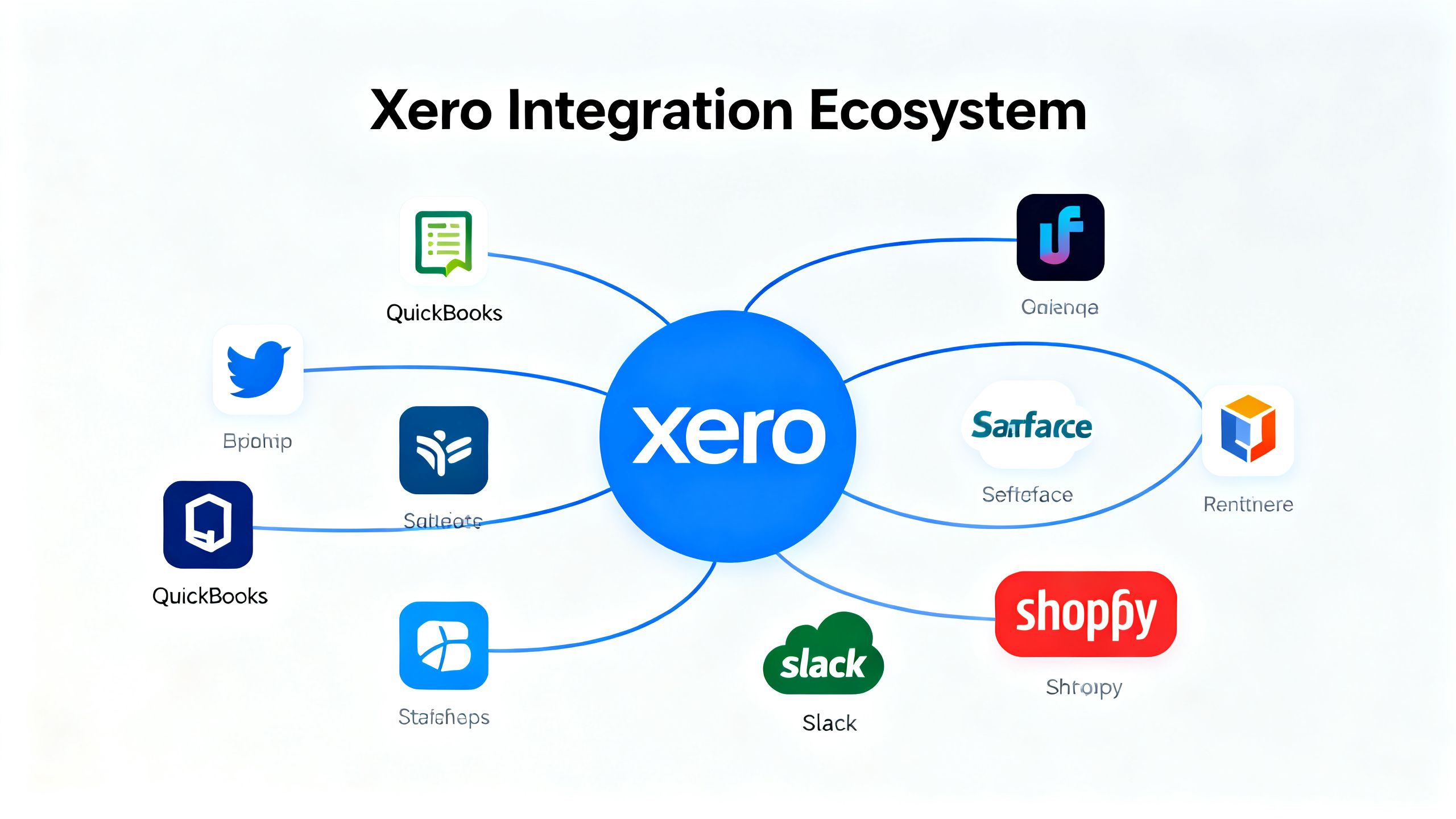
- Standout Features: Strong inventory management, excellent multi-currency handling, and a vast ecosystem of over 1,000 third-party app integrations.
- Pricing: The 'Early' plan starts at $15/month, but most growing solopreneurs will need the 'Growing' plan at $42/month.
5. Zoho Books
Zoho Books is a powerhouse, especially for solopreneurs who are already invested in the Zoho ecosystem. It's a comprehensive accounting solution that rivals QuickBooks Online in features but often at a more competitive price point. It offers end-to-end accounting, from estimates and invoicing to bank reconciliation and project billing. If you use Zoho CRM or Zoho Projects, the seamless integration makes it an incredibly efficient choice.
- Who it's best for: Solopreneurs who already use or plan to use other Zoho applications, and those who need a feature-rich platform at a reasonable price.
- Standout Features: End-to-end accounting workflow, seamless integration with the wider Zoho suite, and powerful automation for recurring tasks.
- Pricing: Has a free plan for businesses with less than $50k USD in annual revenue. Paid plans start at $15/month.

Which Accounting Tools Should You Choose?
Let's cut to the chase. There's no single 'best' tool for everyone, but there is a best tool for you. Here's my direct recommendation:
For most service-based solopreneurs and freelancers, the top pick is FreshBooks. Its combination of dead-simple invoicing, time tracking, and project management is perfectly tailored to the needs of a client-focused business. It's designed to help you get paid faster and understand your project profitability without the bloat of traditional accounting software.
If you're a gig worker or independent contractor primarily focused on simplifying tax time, QuickBooks Self-Employed is the clear winner. Its laser focus on mileage tracking, expense categorization for Schedule C, and quarterly tax estimation solves the biggest financial pain points for this group. It's less of an accounting tool and more of a dedicated tax-prep machine.
For solopreneurs who plan to grow into a small business with inventory or employees, Xero is the smartest long-term investment. It provides the scalability you'll need down the road, so you won't have to switch systems when your business becomes more complex. It's more than you need today, but it's exactly what you'll need tomorrow. For more in-depth guides like this, check out our other buying guides.
Accounting Tools Comparison Table
Frequently Asked Questions About best accounting software for solopreneurs
Is free accounting software good enough?
For some, yes. A tool like Wave is fantastic if your needs are simple: sending invoices and tracking basic income and expenses. However, free software often lacks features like automatic mileage tracking, tax estimations, or deep integrations that can save you significant time and money. If your business has any complexity, a paid plan is usually a worthwhile investment.
How much should I expect to pay for accounting software?
A typical solopreneur should expect to pay between $15 and $40 per month for good accounting software. Plans in this range, like those from FreshBooks or QuickBooks, offer the core features you need without the expensive add-ons designed for larger companies. Be wary of very cheap plans, as they often have strict limits on invoices or clients that you'll outgrow quickly.
How hard is it to switch accounting software?
Switching can be a hassle, which is why it's important to choose the right tool upfront. Most platforms allow you to import customer lists, but you'll often need to manually enter or import past transactions, which can be time-consuming. My advice is to start your new software at the beginning of a new financial year (like January 1st) to create a clean break.
Do I still need an accountant if I use this software?
Yes, for most people. This software makes bookkeeping easy, but it doesn't replace the strategic advice of a qualified accountant. Use the software to keep your books clean and organized throughout the year, which will make your accountant's job easier (and cheaper). Then, rely on your accountant for tax planning, strategic advice, and filing your annual returns.
Final Thoughts on best accounting software for solopreneurs
Choosing the best accounting software for solopreneurs is a critical business decision, and my top recommendation for most is FreshBooks due to its perfect balance of power and simplicity. For more in-depth analysis, you can read full reviews of every tool on our blog. Ultimately, the right tool is the one you'll actually use, and these recommendations are based on 16 years of seeing what works in the real world for businesses just like yours.
FreshBooks
FreshBooks was built from the ground up for one specific type of business owner: the freelancer, consultant or service-based solopreneur who needs to look professional, get paid faster and spend as little time as possible on admin. The result is the most intuitive invoicing experience in the accounting software market. Creating a professional invoice takes under two minutes. You can add your logo, set automatic payment reminders, charge late fees and offer clients a one-click payment portal — all without any accounting knowledge. Time tracking is built directly into the platform and connects seamlessly to projects and invoices, so billable hours convert to invoices with a single click. The client portal lets customers view estimates, invoices and project updates — creating a professional experience that builds trust. FreshBooks' most recent updates include Instant Payouts (get your money the same day a payment is made), Buy Now Pay Later through Affirm and smarter payment defaults that make it easier for clients to pay the way they prefer. The affiliate programme is one of the most generous in the SaaS space — up to $200 per paid subscriber with a 120-day cookie via ShareASale. For solopreneurs recommending tools to their audience, this is outstanding earning potential.
Pros
- Best invoicing experience in the market — professional, customisable and automated
- Built-in time tracking connects directly to projects and invoices
- Client portal for estimates, invoices and project communication
- Instant Payouts — get paid the same day a client pays
- Outstanding affiliate programme: up to $200/sale with 120-day cookie
Cons
- Per-client pricing on lower plans limits who you can invoice
- Limited financial reporting compared to QuickBooks or Xero
- Not suitable for product-based businesses with inventory needs
- No double-entry accounting on entry-level plans
- Affiliate programme manually reviews applications — approval not guaranteed
QuickBooks Online
QuickBooks Online is the undisputed market leader in small business accounting software, and for good reason. Used by millions of businesses worldwide, it covers everything from basic income and expense tracking to payroll integration, 1099 management, inventory and advanced financial reporting — all in one cloud-based platform. The AI-powered Report Insights and Anomaly Detection features analyse over a year of your financial data in real time, flagging unusual transactions and errors before they become problems. For solopreneurs, the Simple Start plan covers the essentials: invoicing, expense tracking, mileage tracking via GPS and cash flow forecasting. For businesses that are growing or have contractors to manage, the Essentials and Plus plans unlock bill management, multi-user access and project profitability tracking. QuickBooks also integrates with over 750 apps including PayPal, Shopify, Square, Stripe and Etsy — making it the most connected accounting platform on the market. The trade-off is cost. Prices start at $35/month and the platform has raised prices significantly over recent years. For solopreneurs with simple finances, tools like FreshBooks or Wave may deliver more value. But if you want the platform your accountant already knows, the most extensive integration ecosystem and software that will scale with your business for years, QuickBooks Online remains the gold standard.
Pros
- Most widely used accounting software in the world — your accountant already knows it
- 750+ app integrations including Shopify, PayPal, Stripe and Square
- AI-powered anomaly detection flags financial errors in real time
- GPS mileage tracking built into the mobile app
- Scales from solopreneur to growing team without switching platforms
Cons
- Prices have risen over 125% since 2017 — expensive for solopreneurs
- Can feel overwhelming for beginners due to feature depth
- Customer support has mixed reviews
- Most useful features require the higher-tier Essentials or Plus plans
- Per-user pricing adds up quickly for small teams
Wave Accounting
Wave occupies a unique and genuinely valuable position in the accounting software market: it's the only platform that offers truly free core accounting without a time limit, hidden fees or a stripped-back trial. For bootstrapped solopreneurs, early-stage freelancers and very small businesses with straightforward finances, Wave removes the biggest barrier to getting your books in order — cost. The free plan covers invoicing, expense tracking, basic reporting and management of multiple businesses from a single account. You can send unlimited customised invoices, connect unlimited bank accounts and credit cards, and track income and expenses without paying a penny. Recent updates have shifted some features to the paid Pro plan (~$16/month), most notably automated bank feed imports and digital receipt scanning — features that save significant time and are worth the upgrade for any business that can afford it. Wave Payroll is available as an add-on from $20/month plus per-employee fees, and payment processing fees apply when accepting card payments through Wave's built-in payment system. The honest truth about Wave is that it's the perfect starting point — not the perfect forever solution. For solopreneurs just getting their finances organised for the first time, or for side businesses that don't justify a $35+/month subscription, Wave is outstanding. But as your business grows and you need deeper reporting, stronger automation and better integrations, you'll likely outgrow it.
Pros
- Genuinely free core accounting — no trial period, no hidden fees
- Unlimited invoices, clients and bank account connections on free plan
- Manage multiple businesses from one account
- Clean, beginner-friendly interface with zero learning curve
- Wave Payroll available as an affordable add-on
Cons
- Automated bank feeds now require paid Pro plan (~$16/month)
- Limited automation compared to paid platforms
- No inventory management
- Mobile app weaker than competitors — no mileage tracking
- Scales poorly as business complexity grows
Xero
Xero has quietly built one of the strongest reputations in the accounting software market, particularly among growing businesses and those who have outgrown QuickBooks' per-user pricing model. The single most compelling feature for small teams is unlimited users on every plan — from the $25/month Early plan right up to the $80/month Established plan. Compare this to QuickBooks, which caps users at 1 on Simple Start and 3 on Essentials, and the value proposition for growing teams becomes immediately clear. Xero's app marketplace is the largest in the industry with over 1,000 integrations including Gusto, Stripe, Shopify, Hubdoc, Dext and most major US and UK banks. Real-time bank feeds automatically import and categorise transactions, dramatically reducing manual bookkeeping time. The built-in QuickBooks migration tool makes switching straightforward, with automatic import of contacts, chart of accounts and transaction history. For international businesses, Xero supports multi-currency on its Established plan and has strong compliance features for UK, Australian and New Zealand tax requirements. The Established plan's cash flow forecasting feature helps you predict your financial position 30, 60 and 90 days ahead — genuinely useful for solopreneurs managing variable income.
Pros
- Unlimited users on every plan — unlike QuickBooks which charges per user
- 1,000+ app integrations — the largest marketplace in the industry
- Real-time bank feeds with automatic transaction categorisation
- Built-in QuickBooks migration tool for easy switching
- Multi-currency support and strong international compliance features
Cons
- Early plan limits invoices to 20 per month — restrictive for active businesses
- Smaller US accountant network than QuickBooks
- Analytics and forecasting features only on higher-tier Established plan
- Can feel complex for complete beginners
- 10% affiliate commission is solid but lower than FreshBooks
Zoho Books
Zoho Books is the accounting software that consistently surprises people with how much it delivers for the price. The free plan — available for businesses with annual revenue under $50,000 — includes automatic bank reconciliation, a customer portal, 50+ financial reports and up to 1,000 invoices per year. Compare this to Wave's free plan (which now charges for automated bank feeds) or QuickBooks' $35/month Simple Start plan, and Zoho Books' free tier is genuinely remarkable. For businesses already using Zoho CRM, Zoho Projects, Zoho Inventory or any other Zoho application, Books integrates flawlessly within the Zoho ecosystem — creating a unified view of customers, projects and finances without any manual data syncing. The paid plans start at $15/month and scale through six tiers up to $240/month for the Ultimate plan, which includes advanced analytics, custom domains and dedicated account management. Zoho Books supports 22 languages and 180 currencies, making it the strongest choice for internationally operating solopreneurs. The inventory management feature — included on the Professional plan and above — handles SKUs, purchase orders and vendor management without needing a third-party integration. For tech-savvy solopreneurs who want maximum features for minimum cost and are comfortable navigating a slightly more complex interface, Zoho Books is one of the best kept secrets in business software.
Pros
- Most feature-rich free plan on the market — includes bank reconciliation and 50+ reports
- Flawless integration with Zoho CRM, Projects, Inventory and 45+ other Zoho apps
- Supports 22 languages and 180 currencies for international businesses
- Inventory management included on Professional plan and above
- 1,000 free invoices per year on the free plan
Cons
- Interface less modern and more cluttered than Xero or FreshBooks
- Smaller US accountant network than QuickBooks
- Payroll limited to select US states only
- Advanced features can overwhelm new users
- Free plan strictly limited to businesses under $50K annual revenue