

Best Best Accounting Software for Small Business in 2026 — The Honest Guide for Small Business Owners
Finding the best accounting software for small business is not just about ticking a box on your admin checklist. For small business owners, choosing the wrong tool can mean hours lost to confusing interfaces, missed tax deadlines, or even costly mistakes that keep you up at night. After 16 years helping fellow entrepreneurs navigate this landscape, I know how many tools overpromise and underdeliver — and what it feels like when the right system finally clicks.
Why Finding the Right Accounting Tools Matters
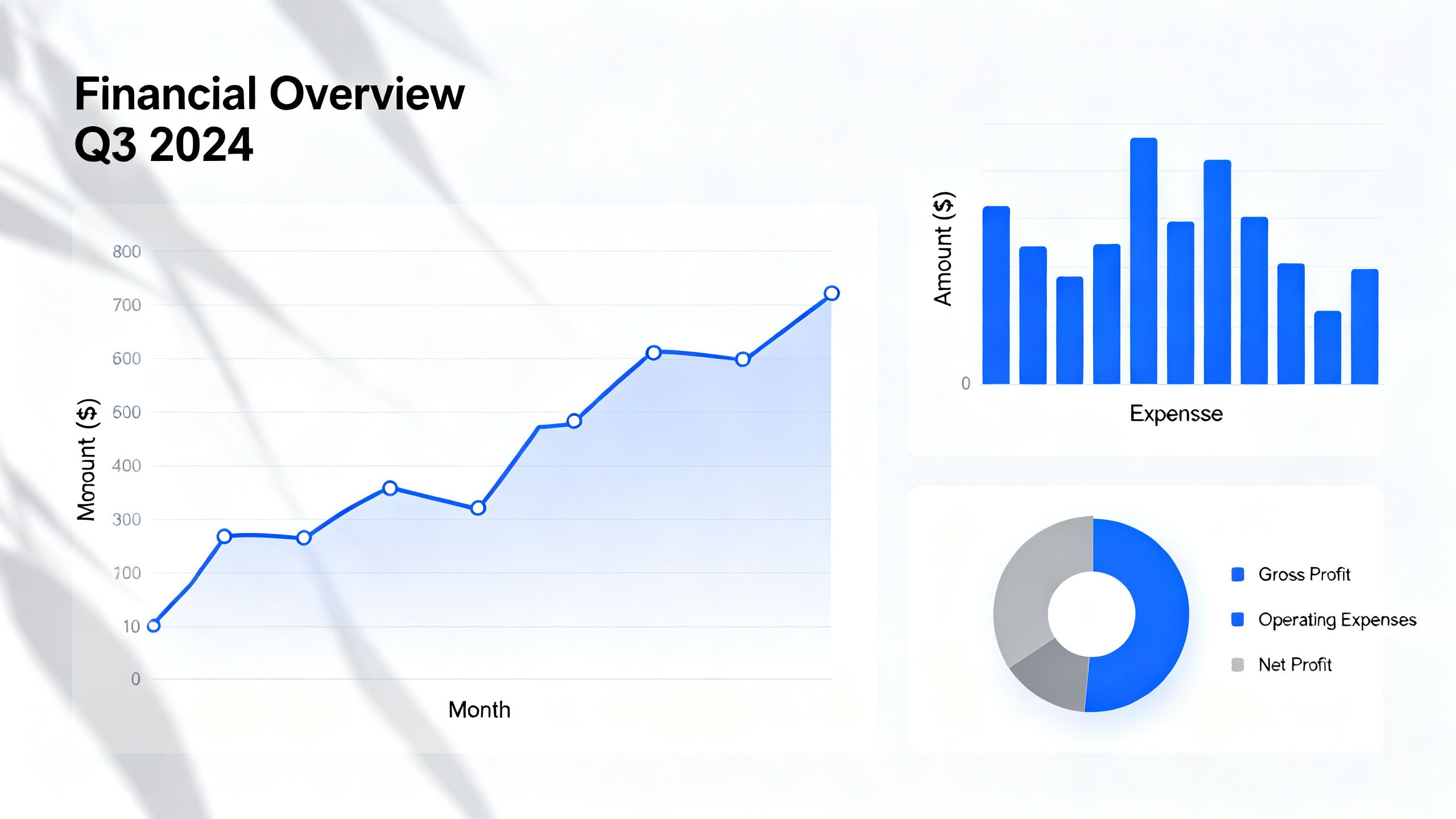
Selecting the wrong accounting tool doesn’t just waste your time—it can actively hold your business back. I’ve seen solopreneurs stall their growth trying to wrestle with software that’s too complex, or pay far too much for features they don’t need. Worse, some small business owners avoid proper accounting altogether because early experiences with clunky systems turned the numbers into a headache. This results in tax season becoming a nightmare, cashflow insights falling through the cracks, and missed opportunities to optimize your finances.
The right accounting software does more than keep your books straight. It acts as a control center for your business, streamlining invoicing, making expense tracking effortless, and giving you real-time visibility into your cash flow. After testing hundreds of options over the years, I can say: the tool you choose can mean the difference between thriving and barely treading water — especially for those juggling multiple roles as a small business owner.

What to Look for in Accounting Tools
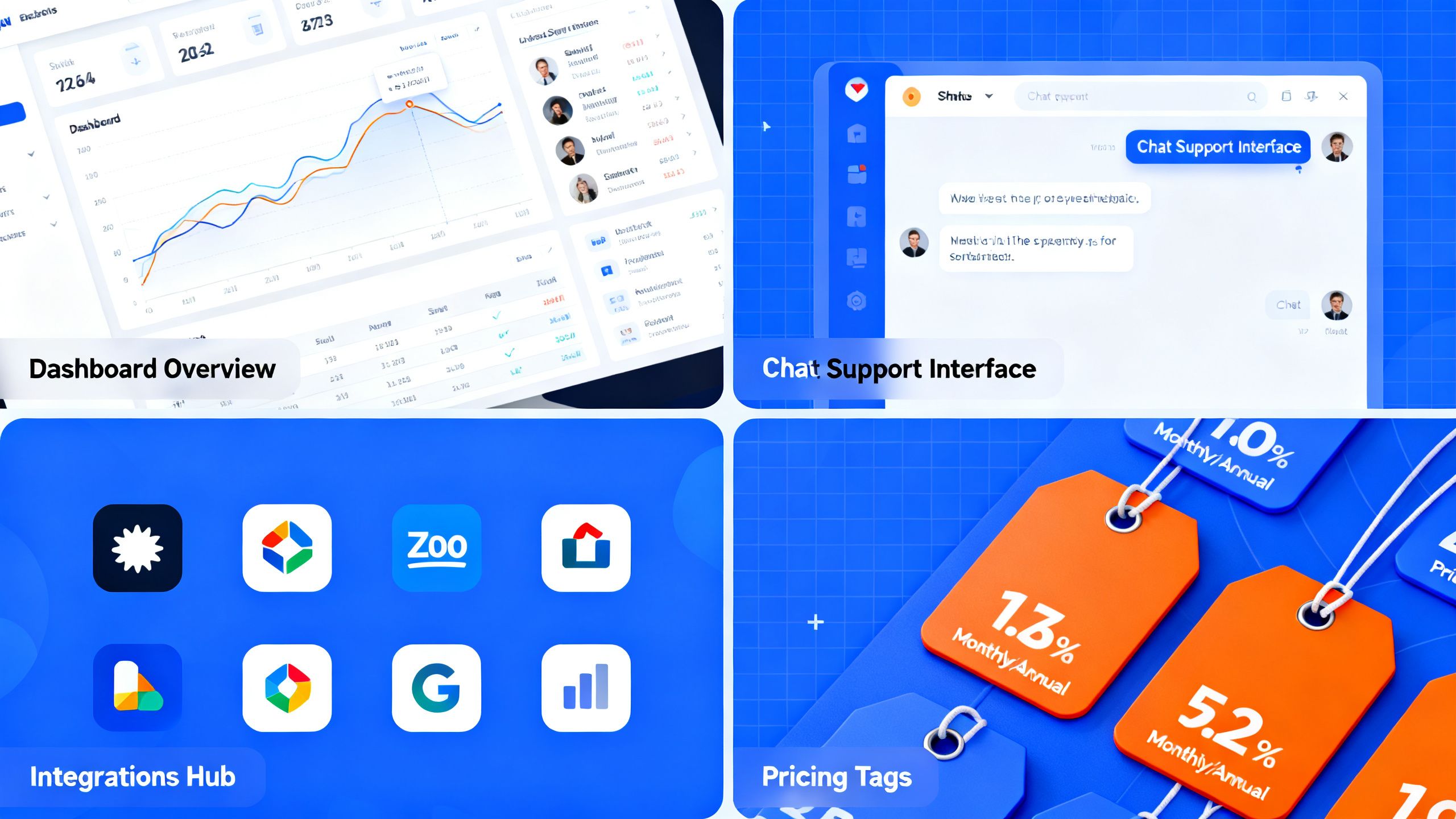
Pricing: For small business owners, every dollar counts. Look for accounting tools that offer transparent pricing, avoid expensive lock-ins, and provide real value at every tier. Annual discounts and clear upgrade paths are a bonus.
Ease of Use: If a tool takes more than a couple of hours to set up and start using, skip it. Prioritize software with intuitive dashboards, simple workflows, and accessible customer support content. Demos and free trials are your friend.
Integrations: Your accounting tool should play nicely with your bank, payment processors, CRM, and ecommerce platform. The fewer workarounds you need, the better. Check for native integrations and robust third-party connector options.
Support: When something breaks (and it will), responsive support is a lifesaver. Prefer tools with live chat or phone support, expansive help centers, and lively user communities where you can get quick answers.
Scalability: Your tools should grow as your business does. Choose software that can handle added users, more transactions, new currencies, and evolving tax requirements without forcing a disruptive (and expensive) migration later.
How We Selected These Tools
Every recommendation here is based on hands-on testing with real-world scenarios—no paid rankings or hidden sponsor placements. As the founder of tools.chrisgulli.com, I’ve personally reviewed over 300 business tools across 34 categories, putting every accounting platform through the workflows solopreneurs and small businesses actually need. My picks balance value, usability, and reliability because I’ve been in your shoes — using these tools to run and grow actual businesses.
The Best Best Accounting Software for Small Business — Our Top Picks
1. QuickBooks Online
QuickBooks Online remains the industry standard for small business accounting, and for good reason. It’s best for business owners who want strong automation, a trusted brand, and robust third-party integrations. Standout features include customizable invoicing, excellent mobile apps, seamless bank feeds, and strong payroll add-ons. Pricing starts at $30/month, with regular deals and a generous 30-day trial. Verdict: if you want an all-around performer that’s easy to hand off to an accountant, start here.

2. Xero
Xero is my top pick for freelancers and tech-savvy business owners who want beautiful design and open integrations. Standout features: unlimited users across plans, thoughtful project tracking, and a dashboard that makes cash flow fun to monitor. Integrates natively with Shopify, Stripe, and countless others. Pricing starts at $13/month for the Early plan. Verdict: best for those who need flexibility and love clean, modern software.
3. FreshBooks
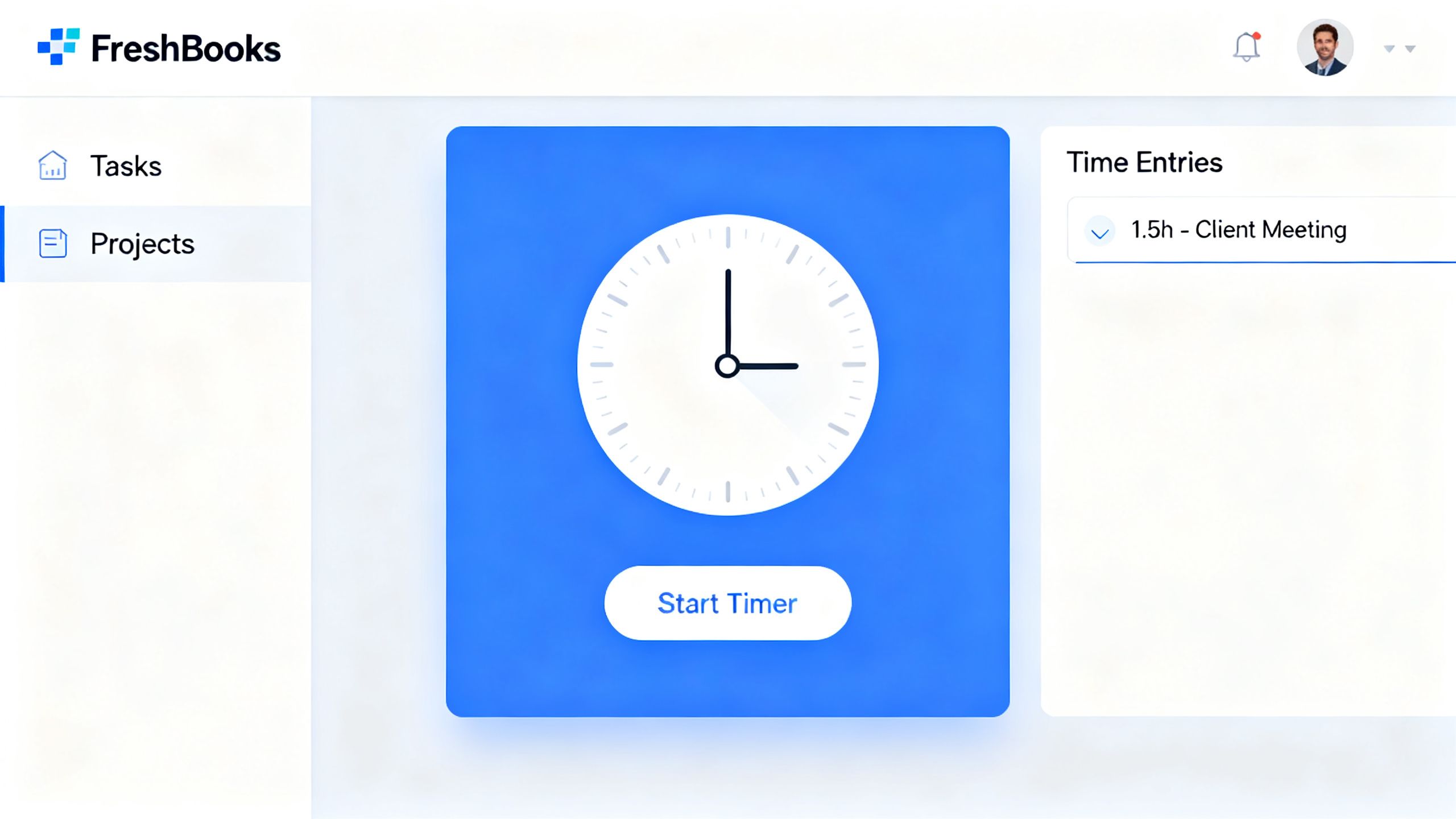
FreshBooks nails invoicing and expense tracking for service businesses and solopreneurs. It’s perfect for anyone who sends a lot of invoices or bills by the hour. Standout features: time tracking, automated payment reminders, and built-in proposals/contracts. Pricing starts at $17/month. Verdict: unbeatable interface for non-accountants and small agencies who want to get paid faster.
4. Wave Accounting
Wave is the best truly free accounting tool for tiny businesses, side hustlers, and those just starting out. Standout features: zero-cost invoicing, expense tracking, and receipt scanning. Paid payroll and payment processing are optional. Support is limited, but for free, it’s hard to beat. Verdict: the ideal starter tool for shoestring budgets, though you may outgrow it as you scale.

5. Zoho Books
Zoho Books is great for small businesses already using Zoho CRM, inventory, or email — it ties the suite together beautifully. Features: automated workflows, multi-currency support, and deep reporting. Pricing starts at $15/month, making it the most affordable for growing teams with integrated needs. Verdict: best value for those invested in the Zoho ecosystem or looking for super-customizable automation.
Which Accounting Tools Should You Choose?
For solopreneurs, FreshBooks is usually the best pick. Its time tracking and integrated invoices are tuned for one-person businesses that want to spend less time tinkering in their books and more time closing clients. If you’re early and cash is tight, Wave’s free plan will let you get by — but you’ll probably want to upgrade to FreshBooks or Xero as you land steady work.
For freelancers, Xero stands out. The unlimited users, project budgeting, and strong integrations make Xero ideal for independent contractors and creative shops juggling multiple clients. The interface feels modern, and the entry-level pricing is accessible even if you’re starting out.
For small businesses with a team or a mix of physical and digital sales, QuickBooks Online is unmatched. Its reporting, payroll options, and accountant network streamline every part of your operations — and when you need professional help, virtually every bookkeeper and CPA knows this platform backward and forward.

Accounting Tools Comparison Table
Frequently Asked Questions About Best Accounting Software for Small Business
How much should small business accounting software cost?
Expect to pay $15-$30 per month for professional-grade accounting software. Free options like Wave are fine for basic needs, but paying for a tool like QuickBooks or Xero quickly pays for itself in saved time and reduced errors. Consider your size and required features before committing to annual plans.
Is it hard to switch between accounting tools?
Switching can be daunting, but leading tools offer robust import/export options and migration support. The biggest challenge is often cleaning your data beforehand. Many users move from Wave or FreshBooks to Xero or QuickBooks as they grow.
How steep is the learning curve for these tools?
Modern accounting software is designed for non-accountants. Expect a short adjustment period (a week or less) if you’re comfortable with basic online tools. Prioritize platforms with clear onboarding flows and knowledgeable support — many offer webinars and resource centers.
Will this integrate with my bank, ecommerce, or CRM?
Most top options — including QuickBooks, Xero, and Zoho Books — offer direct banking feeds, ecommerce platform integrations, and connections to CRM tools. Always double-check available integrations for your specific bank or platform. If you need deep automation, consider checking the broader buying guides first.

Final Thoughts on Best Accounting Software for Small Business
Choosing the right accounting software is a business-critical decision for small business owners and one that deserves a careful, honest review. My top recommendations hold up across hundreds of real-world use cases — but be sure to visit Chris Gulli's Tools to read in-depth, individual reviews before you make your final call. After 16 years in the trenches, I know which promises stand up and which are just marketing fluff. Trust these recommendations — and your business will be better for it.
For more practical advice on business tool selection, explore our content creation tools, discover SEO tool picks, or dive into our no-nonsense blog articles. Everything we publish is informed by real, hands-on experience — so you can buy once, use for years, and focus on what matters: running your business.